Exploring Taoist Rituals: Connecting with Ancient Wisdom
- Jay Chi
- 2 hours ago
- 3 min read

Taoism, an ancient Chinese philosophy and spiritual tradition, offers profound insights into the nature of existence and the universe. At its core, Taoism emphasizes living in harmony with the Tao, or the fundamental nature of the universe. One of the most captivating aspects of Taoism is its rich tapestry of rituals, which serve as a bridge between the physical and spiritual realms. In this post, we will explore various Taoist rituals, their significance, and how they can help us connect with ancient wisdom in our modern lives.
Understanding Taoism
Before diving into the rituals, it’s essential to understand the foundational principles of Taoism. The Tao, often translated as "the Way," represents the natural order of the universe. It is an elusive concept, embodying the flow of life and the interconnectedness of all things.
Key Concepts of Taoism
Wu Wei: This principle of "non-action" encourages individuals to align with the natural flow of life rather than resist it. It promotes effortless action and spontaneity.
Yin and Yang: This duality represents the balance of opposites in the universe. Yin is associated with darkness, femininity, and receptivity, while Yang embodies light, masculinity, and activity.
Qi (Chi): The vital life force that flows through all living things. Cultivating and balancing Qi is essential for health and spiritual well-being.
These concepts form the backbone of Taoist rituals, which aim to harmonize the individual with the Tao.
The Role of Rituals in Taoism
Rituals in Taoism serve multiple purposes. They are not merely ceremonial acts; they are pathways to connect with the divine, honor ancestors, and cultivate personal growth. Here are some key roles that rituals play in Taoist practice:
Spiritual Connection: Rituals facilitate a direct connection with the Tao and the spiritual realm, allowing practitioners to seek guidance and blessings.
Community Bonding: Many Taoist rituals are communal, fostering a sense of belonging and shared purpose among participants.
Cultural Preservation: Rituals help preserve ancient traditions and teachings, passing them down through generations.
Common Taoist Rituals
1. Offering Rituals
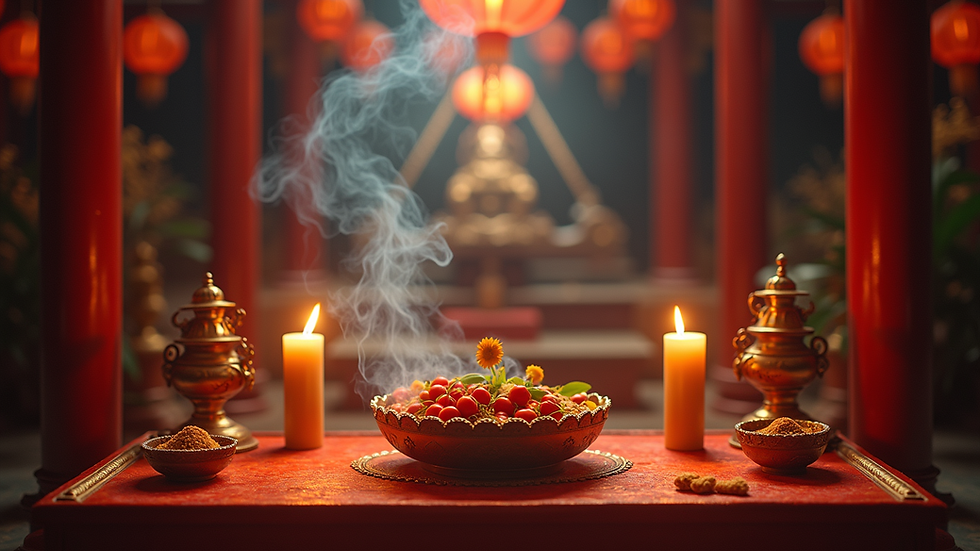
Offering rituals are fundamental in Taoism, where practitioners present gifts to deities, ancestors, or spirits. These offerings can include food, incense, flowers, and symbolic items.
Significance of Offerings
Gratitude: Offerings express gratitude for blessings received.
Connection: They create a bridge between the physical and spiritual realms, inviting divine presence into the home or community.
2. Meditation and Qi Gong
Meditation is a cornerstone of Taoist practice, often combined with Qi Gong, a system of movements designed to cultivate and balance Qi.
Benefits of Meditation and Qi Gong
Stress Reduction: Regular practice can significantly reduce stress and promote relaxation.
Enhanced Awareness: These practices enhance self-awareness and deepen the understanding of the Tao.
3. Rituals for Health and Longevity
Taoism places great emphasis on health and longevity. Rituals aimed at promoting well-being often involve specific practices, such as herbal medicine, dietary guidelines, and physical exercises.
Examples of Health Rituals
Herbal Offerings: Using medicinal herbs in rituals to invoke healing energies.
Seasonal Celebrations: Marking seasonal changes with rituals that align with nature’s cycles, promoting balance and health.
4. Ceremonies for Life Transitions
Taoist rituals often accompany significant life events, such as births, marriages, and funerals. These ceremonies help individuals navigate transitions with grace and support.
Importance of Life Transition Rituals
Support: They provide emotional and spiritual support during times of change.
Community Involvement: These rituals strengthen community ties and foster shared experiences.
Integrating Taoist Rituals into Modern Life
Incorporating Taoist rituals into contemporary life can offer valuable insights and practices for personal growth and spiritual connection. Here are some practical ways to do so:
1. Create a Personal Altar
Setting up a personal altar at home can serve as a focal point for meditation and offerings. Include items that resonate with you, such as:
Candles: Symbolizing light and clarity.
Incense: Enhancing the atmosphere and inviting spiritual presence.
Natural Elements: Incorporating stones, plants, or water to connect with nature.
2. Practice Daily Meditation
Dedicate time each day for meditation, focusing on breathing and connecting with your inner self. This practice can help cultivate a sense of peace and clarity.
3. Engage in Qi Gong
Consider joining a local Qi Gong class or following online tutorials. Regular practice can enhance your physical health and deepen your connection to the Tao.
4. Celebrate Seasonal Festivals
Participate in or create your own celebrations that align with the changing seasons. These can include rituals that honor nature and reflect on personal growth.
Conclusion
Taoist rituals offer a profound way to connect with ancient wisdom and the natural world. By integrating these practices into our lives, we can cultivate a deeper understanding of ourselves and our place in the universe. Whether through meditation, offerings, or seasonal celebrations, embracing Taoist rituals can lead to a more harmonious and fulfilling life.
As you explore these practices, remember that the journey is personal. Take what resonates with you and allow the wisdom of Taoism to guide you on your path.


Comments